
ما قصة “يوم اعتناق الإسلام” الذي تحتفي به المالديف سنويا؟ (شاهد)
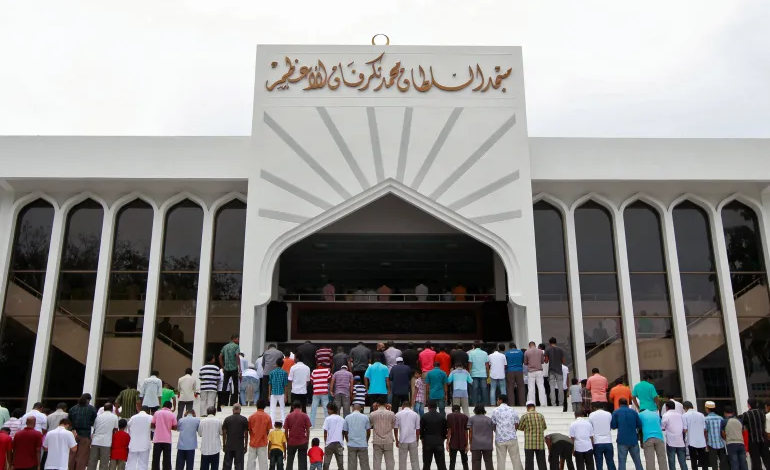
احتفل سكان جزر المالديف، أمس الأحد الموافق الـ13 من سبتمبر، بالذكرى الـ900 لدخول الإسلام إلى البلاد، وهي المناسبة الوطنية التي يطلق عليها أهالي الأرخبيل اسم “يوم اعتناق المالديف للإسلام”.
ويحيي المالديفيون هذه المناسبة السنوية عبر تنظيم العديد من الخطب والدروس الدينية والفعاليات الثقافية، التي تسلط الضوء على التاريخ الإسلامي العريق للبلاد، وتهدف إلى ترسيخ الهوية الإسلامية وتعميق جذورها لدى الأجيال المتتابعة.
The Day Maldives Embraced Islam
13 September 2026 | 2 Rabīʿ al-Thānī 1448 AH
Warm greetings to all Maldivians on the occasion of the Day Maldives Embraced Islam.
As we commemorate 900 years since the Maldives embraced Islam, may Allah continue to bless our nation and guide us towards faith, unity and righteousness.
— The Maldives National University (@MNUedu) September 12, 2026
وبحسب الروايات التاريخية المالديفية، شهدت جزر المالديف في عام 1153 ميلادية أبرز حدث في تاريخها، متمثلاً في التحول السلمي الكامل للمملكة من البوذية إلى الإسلام. ووفقاً للتأريخ المالديفي التقليدي، فقد أعلن الملك “دوفيمي” إسلامه على يد الداعية والعالم المسلم “أبو البركات يوسف البربري” القادم من شمال أفريقيا (والذي تُنسب أصوله أحياناً إلى المغرب أو الصومال)، حيث غيّر الملك اسمه إلى “السلطان محمد بن عبد الله”، لتتخذ البلاد منذ ذلك الحين مساراً إسلامياً راسخاً.
For many years, the Maldivian people have aspired to realize the dream of building a grand mosque in Hulhumalé, the new extension connected to the Maldivian capital. Today, we stand before a great historic occasion as we lay the foundation stone for the Sultan Muhammad bin Abdullah Grand Mosque and the Islamic Civilization Center in Hulhumalé.
This landmark has been named after Sultan Muhammad bin Abdullah, the first of the Maldivian kings to embrace Islam, in 548 AH. His acceptance of Islam had a profound impact on the transformation of the Maldives into an Islamic state and marked the beginning of a spiritual and civilizational journey whose roots have extended through the centuries.
The establishment of this landmark coincides with the 900th anniversary of the arrival of Islam in the Maldives, commemorating this great occasion and celebrating the rich Islamic heritage that has formed an integral part of the country’s history and identity.
Insha Allah, this project will be a civilizational landmark and a beacon of worship, knowledge, and culture, bringing together the authenticity of history and the spirit of the modern age. It will embody the values of tolerance, peace, security, and safety for which the Maldivian people have been known, and which throughout history have formed an integral part of their Islamic identity and culture.
The project will include a main mosque accommodating more than ten thousand worshippers, in addition to an educational, cultural, and community center; offices for the Imam and administration; an Islamic library; a museum of the Holy Qur’an; a multipurpose hall; a visitors’ area; an Islamic bookstore; a gift shop; and an exhibition hall.
The Islamic Civilization Center will introduce visitors to the history of the arrival of Islam in the Maldives and the stages through which Islamic civilization developed in the country. It will also highlight the history and contributions of the scholars and sultans who served Islam and helped spread its teachings in the Maldives over the course of nine hundred years, making the center a testament to the depth of this heritage and its continuity across generations.
The mosque complex will also include a number of endowments (awqaf) that will contribute to supporting Islamic affairs, ensuring the sustainability of the project, and strengthening its religious, educational, cultural, and community mission.
The center will not be merely a place of worship and learning; it will also be a cultural and tourist destination that introduces visitors to the history of Islam in the Maldives and presents to the world a bright image of its Islamic civilization and its values based on tolerance, peace, and coexistence.
On this occasion, I extend my sincere thanks and appreciation to His Excellency President Dr. Mohamed Muizzu @MMuizzu for his support for this project and his commitment to seeing it realized, particularly his announcement of it in his address on the occasion of the opening of Parliament in 2026.
I also extend my profound thanks and appreciation to Al Rajhi Company for financing the mosque and endowment projects, and for its generous support, which has helped transform this dream into reality. We ask Allah Almighty to place this contribution in the balance of their good deeds and to reward them with the best of rewards.
I would also like to express my sincere thanks and appreciation to the Housing Development Corporation (HDC) for its valuable support, cooperation, and assistance in facilitating this project. Their cooperation has played an important role in helping to advance this initiative and bring this important project closer to realization. We deeply appreciate their continued partnership and support, and we pray that Allah Almighty rewards them abundantly for their efforts.
We ask Allah Almighty to bless this project, and we hope that the construction of the mosque will be completed within two years, by the help and grace of Allah.— Mohamed Shaheem Ali Saeed (@Mohamedshaheem1) September 12, 2026
وفي هذه المناسبة، كتب وزير الشؤون الإسلامية المالديفي، الدكتور محمد شهيم، عبر حسابه على منصة “إكس”، أنه بعد عقود طويلة من تطلع الشعب المالديفي لبناء مسجد جامع كبير في مدينة “هولومالي” (الامتداد العمراني الجديد المتصل بالعاصمة ماليه)، تقف البلاد اليوم أمام لحظة تاريخية بوضع حجر الأساس لـ “المسجد الكبير للسلطان محمد بن عبد الله ومركز الحضارة الإسلامية”.
وأوضح الوزير أن إطلاق اسم السلطان محمد بن عبد الله على هذا الصرح يأتي تيمنًا بأول ملوك المالديف اعتناقاً للإسلام عام 548 هجرية (1153 ميلادية)، وهو الحدث الذي كان له أثر عميق في تحول البلاد وبدء رحلة روحية وحضارية امتدت عبر القرون، مؤكداً أن تدشين المعلم يتزامن مع الذكرى الـ900 لتخليد التراث الإسلامي الذي يشكل ركيزة هويتها.
Honoured to attend the Official Reception commemorating 900 Hijri years since the Maldives embraced Islam.
Our nation embraced Islam in Rabi’ al-Akhir 548 AH (1153 CE), under Sultan Muhammad bin Abdullah, the first Maldivian king to accept Islam. Commemorated annually on 2 Rabi’ al-Akhir, this historic turning point laid the foundations of our enduring Islamic identity.
Successive sultans, scholars and generations of Maldivians have nurtured this heritage through mosque building, religious learning and service to the faith. From our historic coral stone mosques to contemporary institutions such as the Islamic University of Maldives, this legacy continues through Qur’anic education and Islamic scholarship, enriching our culture and strengthening national unity.
May Allah reward all who have served Islam in our nation, preserve our faith and guide future generations to uphold the Holy Qur’an and Sunnah with wisdom, compassion and steadfastness.
— Mohamed Shaheem Ali Saeed (@Mohamedshaheem1) September 12, 2026
وفي تدوينة أخرى، أشار الوزير شهيم إلى أن الأمة المالديفية عانقت الإسلام في شهر ربيع الآخر من عام 548 هـ (1153 م)، حيث يُخلد هذا التحول سنوياً في الثاني من ربيع الآخر كمحطة أسست للهوية الإسلامية الراسخة.
ދިވެހިރާއްޖެ އިސްލާމްވިތާ 900 އަހަރު ފުރުމުގެ މުނާސަބަތުގައި ބޭއްވުނު ރަސްމީ ޖަލްސާ https://t.co/3WKNwBZle9
— Ministry of Islamic Affairs & Endowments (@MVIaffairs) September 12, 2026
وأضاف أن السلاطين والعلماء والأجيال المتعاقبة رعت هذا التراث عبر بناء المساجد والتعليم الديني والخدمة للقبلة، مستشهداً بالتحول التاريخي من عمارة المساجد المبنية من الحجر الكورالي (المرجاني) القديم، وصولاً إلى الصروح المعاصرة مثل “جامعة المالديف الإسلامية”، ومؤكداً استمرار هذا الإرث عبر العناية بالتعليم القرآني والدراسات الإسلامية بما يعزز الثقافة والوحدة الوطنية.
Masha Allah. Our beautiful young khatheebs. 🤍
This is the kind of sight that gives you hope for the future of this country.
Young Maldivians learning, growing and finding their voice through faith and knowledge. This is what we want to see more of in our country.
A generation we can be proud of.
Truly, a beautiful sight to see. 🇲🇻
— Malsha (@malshasharyf) September 13, 2026
وعلى الصعيد الشعبي والتواصل الاجتماعي، تداول مدونون ومواطنون صوراً ومقاطع تبرز مظاهر الاحتفال؛ حيث كتب المدون “إسلام” مشيراً إلى صور الاحتفال الرسمي الذي تقدمه الرئيس المالديفي محمد معزّو بمناسبة مرور 900 عام هجرية على دخول الإسلام للبلاد.
مبيناً أن المالديف دولة مسلمة بنسبة 100%، ويتميز شعبها بالطيبة والهدوء والتعلق بالمساجد ودراسة الشريعة، إلى جانب حرص أبنائها على مواصلة تحصيلهم العلمي في الحواضر الإسلامية كـ المدينة المنورة في المملكة العربية السعودية والجامع الأزهر الشريف في مصر.
اليوم 13 سبتمبر 2026 يحتفل سكان المالديف بـ «يوم اعتناق المالديف للإسلام» ويُعتبر عطلة رسمية.
في العام (1153م) آمن ملك المالديف البوذي "دوفيمي" بالإسلام واتخذ لنفسه اسم "السلطان محمد العادل"، ثم أعلن الإسلام دينًا رسميًا للدولة، وقد أسلم هذا الملك على يد داعية مغربي يُعرف باسم (أبو البركات يوسف البربري) وهو مسلم سُنّي وُصف بأنه رجل فاضل حافظ للقرآن ورحالة وصل إلى المالديف قادمًا من المغرب العربي.
تحتفل المالديف في هذا اليوم بإلقاء الخطب والدروس الدينية وتنظيم برامج حول القيم الإسلامية وإقامة الفعاليات للتعريف بتاريخ المالديف وهويتها الإسلامية.
— إياد الحمود (@Eyaaaad) September 13, 2026
وحول دور الداعية أبو البركات يوسف البربري، تناول المغردون قصته باعتبارها نموذجاً ملهماً يُظهر الأثر العظيم للمسلم في نشر القيم والأخلاق الإسلامية أينما حل، مشيدين باعتزاز الدول بتاريخها وهويتها الإسلامية وجعل هذه المناسبات التاريخية أياماً وطنية وعطلاً رسمية تحتفي بها الأجيال.
اليوم 13 سبتمبر 2026 يحتفل سكان المالديف بـ «يوم اعتناق المالديف للإسلام» ويُعتبر عطلة رسمية.
في العام (1153م) آمن ملك المالديف البوذي "دوفيمي" بالإسلام واتخذ لنفسه اسم "السلطان محمد العادل"، ثم أعلن الإسلام دينًا رسميًا للدولة، وقد أسلم هذا الملك على يد داعية مغربي يُعرف باسم (أبو البركات يوسف البربري) وهو مسلم سُنّي وُصف بأنه رجل فاضل حافظ للقرآن ورحالة وصل إلى المالديف قادمًا من المغرب العربي.
تحتفل المالديف في هذا اليوم بإلقاء الخطب والدروس الدينية وتنظيم برامج حول القيم الإسلامية وإقامة الفعاليات للتعريف بتاريخ المالديف وهويتها الإسلامية.
— إياد الحمود (@Eyaaaad) September 13, 2026
وجمهورية المالديف دولة آسيوية تتكون من أرخبيل من الجزر تقع في المحيط الهندي، استوطنها مهاجرون من الهند وسيرلانكا منذ ما قبل الميلاد، ثم شهدت هجرات من العرب والفرس ابتداء من المنتصف القرن العاشر بحثا عن اللؤلؤ والتوابل وجوز الهند والأسماك المجففة.